Victorian maritime centre
Main Menu.
Posts categories
historical menu
shop categories
Feel free to contribute to this website by uploading photos, pictures of documents, maritime artefacts, or anything else related to maritime history. If possible, please include a brief description or any information you have about the item, such as its origin, date, location, or significance. Your contributions are greatly appreciated and help preserve and share our maritime heritage.
Experience Australia’s dramatic naval history firsthand. The tour features the story of the AE2—Australia’s first submarine to breach the Dardanelles during the Gallipoli campaign—alongside the fierce WWII combat of the heavy cruiser HMAS Australia as her crew faced devastating kamikaze attacks at Leyte Gulf.
First, you can experience firsthand what life was truly like in the Royal and Merchant Navies. Furthermore, expert guides are readily available throughout the tour; consequently, they can answer any questions you might have along the way.
The MacKinnon Library at the Victorian Maritime Centre is a premier research destination. It houses over 2,000 books, rare newspapers, journals, naval magazines, and historical photographs.
Together, these valuable materials preserve Australia’s rich naval heritage and coastal stories. Beyond offering rare volumes, the library serves as a dynamic active archive. Students, historians, and local enthusiasts can fully immerse themselves in primary records.
Visitors can examine detailed ship logs and original technical schematics. They can also read personal accounts from sailors who navigated our treacherous southern waters. Furthermore, our dedicated curatorial team continuously organizes and protects these delicate documents. This ongoing care ensures that fragile paper records remain preserved for future study.
Consequently, the library offers an extraordinary window into our nation’s seafaring history. It welcomes everyone, whether you conduct deep academic research or explore personal roots. Through expanding archives and public study initiatives, we invite you to explore this collection. Together, we can uncover the remarkable human stories that shaped our coastal identity.
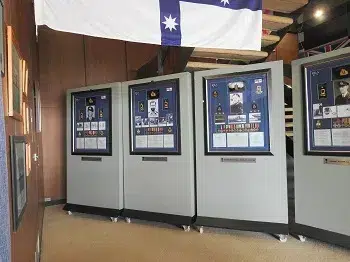
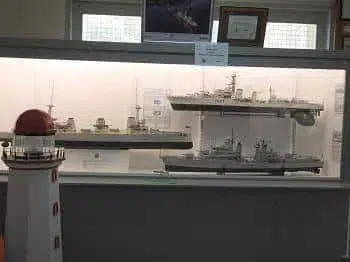
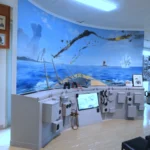
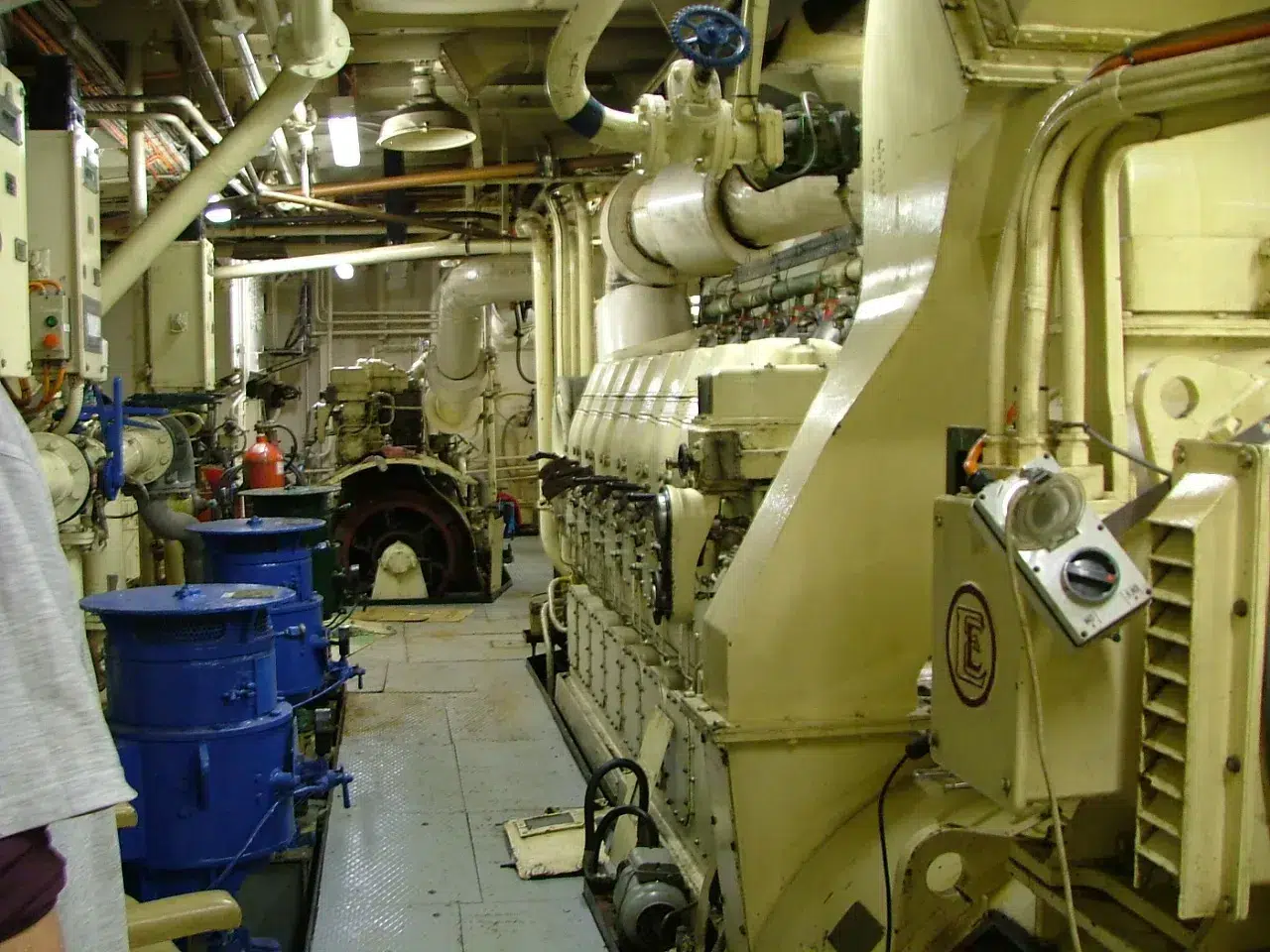
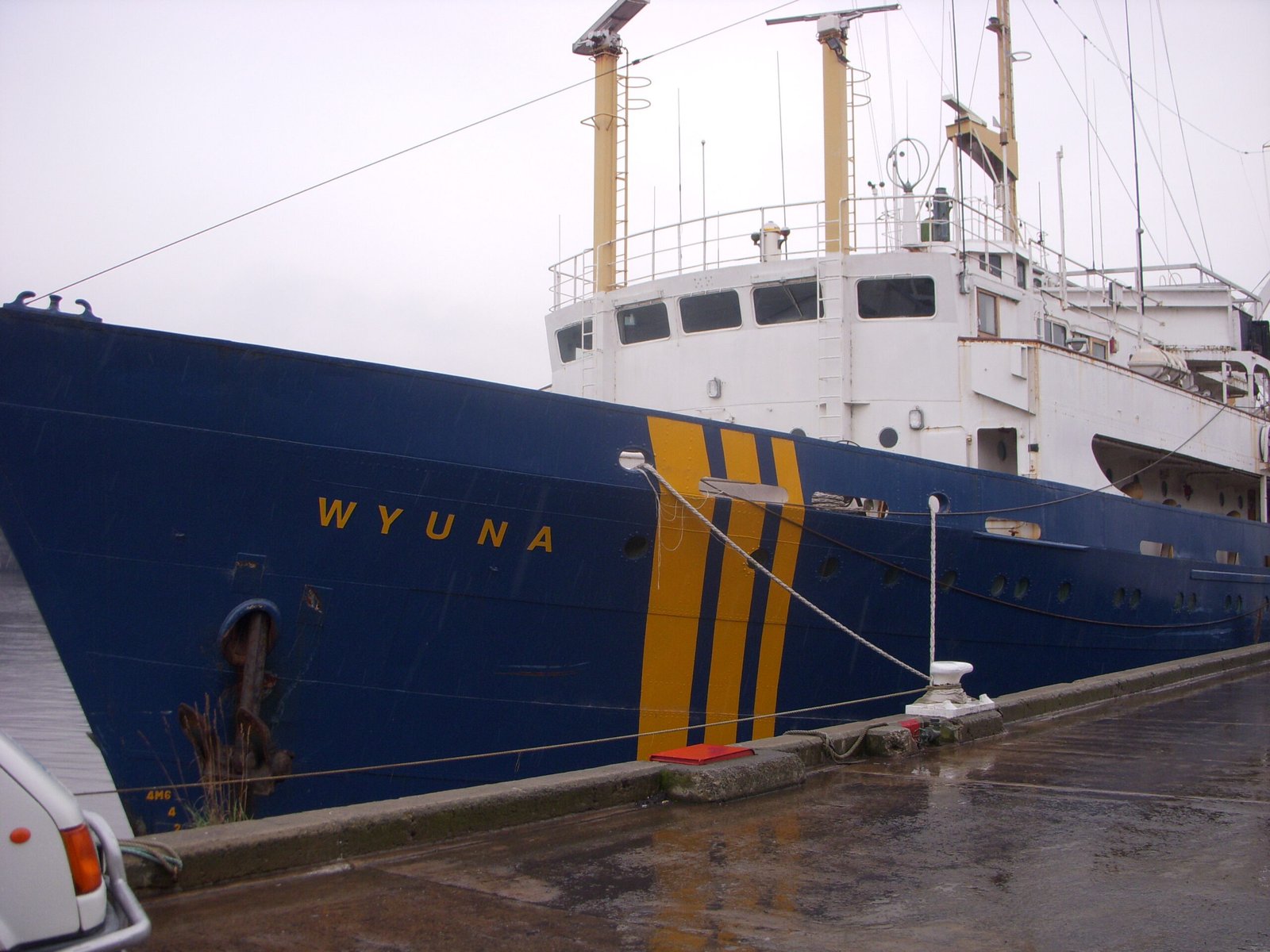
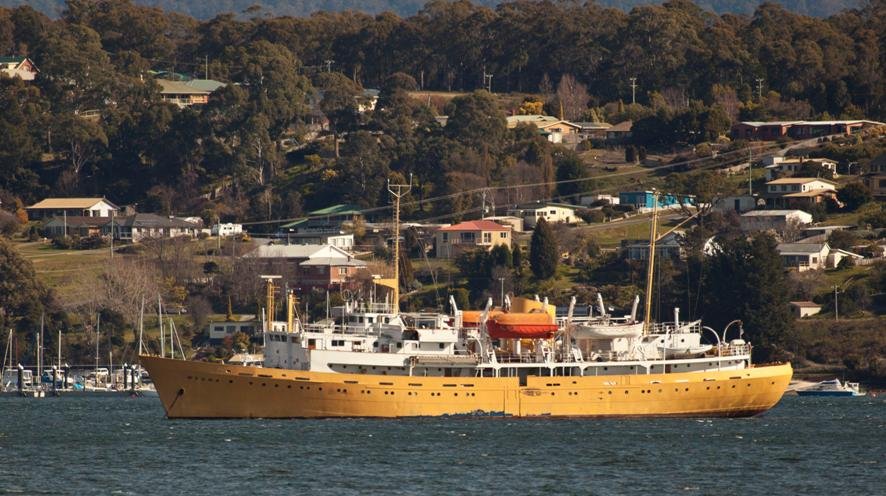
Built in 1953 by Scotland’s renowned Ferguson Shipbuilders in Port Glasgow, the MV Wyuna stands as a premier example of mid-20th-century shipbuilding and naval engineering. Specially commissioned by the Port Phillip Sea Pilots, she was designed and built from the keel up to serve as a dedicated, heavy-duty pilot vessel. Because her primary area of operation was the entrance to Port Phillip and the open ocean, her hull and machinery were specifically reinforced to withstand the notoriously volatile weather and punishing swell of Bass Strait. Beyond her structural durability and diesel-electric propulsion, the Wyuna featured custom-built living quarters, specialized mess halls, and navigation stations. These amenities allowed working pilots and ship crew to remain on active sea duty during extended, multi-week deployments without returning to port.
Serving for more than three decades, the Wyuna maintained a constant, year-round station at the entrance to Port Phillip Bay. She functioned as an essential floating operations base for highly experienced sea pilots responsible for meeting incoming international cargo ships, oil tankers, bulk carriers, and passenger liners. Navigation through the narrow, tidal passage known as “The Rip” required expert local knowledge, making the pilot’s presence aboard every arriving vessel absolute mandatory for safe passage.
Approaching the Ship: When an incoming vessel signaled its arrival, the Wyuna maneuvered into close proximity and launched a small, highly maneuverable workboat carrying the duty pilot across the open water.
Creating a Lee: To make the dangerous transfer possible, the incoming ship turned its hull to block prevailing winds and heavy ocean swells. This maneuver created a temporary pocket of calm water—known as a “lee”—on the sheltered side of the vessel.
Boarding: Navigating into the lee, the workboat crew brought the pilot alongside the giant hull. The pilot then executed a precise, high-risk transfer, climbing a flexible Jacob’s rope ladder up the side of the moving ship. Once on deck, the pilot took navigational command to guide the vessel safely through the treacherous channel and into port.
Do you have a passion for maritime history? The Victorian Maritime Centre (VMC) is looking for enthusiastic volunteers from all backgrounds. Whether you are a retired mariner, a history lover, or simply eager to learn new skills. Your talents can help us bring Victoria’s seafaring heritage to life.
A Welcoming Community: Connect with a warm team of people who share your love for history and storytelling.
Hands-On Exhibition Design: Work directly with our displays, shaping how visitors experience our collection.
Archival Research: Uncover forgotten stories of historic ships, lighthouses, and local sailors using our rare documents and photo archives.
Camaraderie & Shared Meals: Enjoy a supportive team atmosphere—swap sea stories and share a complimentary lunch provided by the Centre after your shift.
Join us in keeping Victoria’s maritime spirit alive and accessible to everyone
The project originated in late 1998 when Max Bryant, a fourth-generation local with deep family ties to the region’s seafaring past, sought to create a venture that would generate funds for youth community programs. He was particularly concerned about the lack of support for young people looking for employment—many of whom grew disillusioned and turned to the welfare system. Bryant envisioned a project that would raise capital for youth initiatives while offering on-the-job training and coaching.
He brought the proposal to the local Federal Member for Flinders, Peter Reith, who quickly endorsed it. Following Reith’s advice, Bryant rallied local supporters, leading to the establishment of the Western Port Oberon Association Inc. (WPOA) in 1999. Under the association’s rules, all assets are owned directly by its members.
Given the region’s strong maritime heritage and its proximity to HMAS Cerberus (formerly the Flinders Naval Depot) at Crib Point, Bryant decided that a maritime museum was the ideal project for Hastings.
Market research revealed a strong public fascination with submarines. Recognizing them as the ultimate stealth vessels, Bryant decided a submarine should be the centerpiece of the museum. To honor the Royal Australian Navy (RAN), the initiative was initially named The Hastings Cerberus Naval Memorial Centre project.
WPOA established its initial operational base and a small maritime museum inside a former Mitre 10 building on Marine Parade in Hastings. On October 17, 2003, HRH The Princess Royal (Princess Anne) visited Hastings as a guest of the association. Having originally commissioned the submarine into the RAN in 1978 as its formal sponsor, Princess Anne agreed to become the official patron of the project.
Following the sale of the Marine Parade building in 2007, WPOA relocated its headquarters to 220 The Esplanade, Crib Point—a heritage-listed, multi-story building that previously served as the administrative headquarters for the now-demolished BP Refinery. The new museum facility was officially opened by the Minister for Veterans’ Affairs, Bruce Billson. Around this time, WPOA launched a dedicated merchandise department selling branded apparel.
To reflect its growing scope, the project was renamed the Western Port Maritime Memorial Centre. By 2011, as operations expanded statewide, it adopted its current name: The Victorian Maritime Centre project.
WPOA grew to over 500 members across full, concession, and affiliate tiers, with voting rights held by full members. The association keeps its community engaged through a quarterly newsletter, social events, weekend museum operations, and weekday tours by appointment (including guest speaker bookings).
The museum’s collection expanded significantly when Perth businesswoman Gillian Swaby donated the Wyuna—a former Port Phillip pilot ship and Australian Maritime College training vessel often likened to a smaller version of the Royal Yacht Britannia. This acquisition boosted the value of the association’s member-owned assets to several million dollars.
When the RAN began phasing out its Oberon-class submarines, Bryant contacted the Navy Disposal Department to express interest in HMAS Otama. Built on the River Clyde in Scotland, Otama was the last Oberon-class submarine built and the last of its kind worldwide to be decommissioned, ending an illustrious career in December 2000 as the new Collins-class vessels came online.
Bryant submitted a detailed proposal to the RAN. The selection process ultimately came down to a choice between the City of Geelong and WPOA. Parliamentary Secretary to the Minister for Defence, Dr. Brendan Nelson, noted that in all his years in politics, he had never seen such a thorough, high-quality submission. Consequently, WPOA was awarded the vessel.
Bryant successfully secured a $500,000 grant under the Centenary of Federation program. This funding covered:
Purchase price: $55,000
Towage fee: $306,000 (to tow the vessel from HMAS Stirling in Western Australia to Western Port)
Environmental cleaning: $40,000 (EPA-mandated tank cleaning prior to departure)
Insurance: $96,000 (covering the voyage across southern Australia)
By the time the submarine arrived in Western Port, the initial grant was almost fully exhausted.
On April 30, 2002, HMAS Otama entered Western Port Bay following a 13-day journey from Western Australia, towed by the ocean tug Southern Salvor. The transit through the Great Australian Bight was treacherous, with the submarine frequently launching off wave crests during rough seas.
WPOA planned to display Otama as a land-based exhibit alongside the Victorian Maritime Centre interpretation building. To overcome the restricted internal access typical of submarines, the plan involved cutting access entry points into the hull fore and aft, linking the submarine directly to the main facility via pedestrian tunnels.
The initial master plan proposed positioning the project on the open space of the Hastings foreshore to maximize financial benefits for the local community. Early discussions with the Department of Sustainability and Environment (DSE) indicated support for the Hastings location. In response, the Mornington Peninsula Shire Council (MPSC) began preparing a Southern Precinct Foreshore Development Plan.
Three years after the submarine’s arrival, DSE organized a three-person panel to review public and stakeholder submissions. During these hearings, DSE unexpectedly announced that the submarine project did not meet the criteria for a Safe Boating Precinct under the Coastal Management Act, concluding that it should not proceed at the Hastings site. Despite having spent significant funds on planning applications based on prior advice from DSE and MPSC, the association was forced to search for alternative sites.
Over the next 22 years, numerous alternative locations were considered but ultimately failed—primarily due to a lack of government support. Unable to secure a permanent land location, WPOA was unable to adequately maintain Otama while it remained in the water, leading to the vessel’s gradual deterioration.